

Key Takeaways
- Your food choices directly impact cognitive function and memory as you age
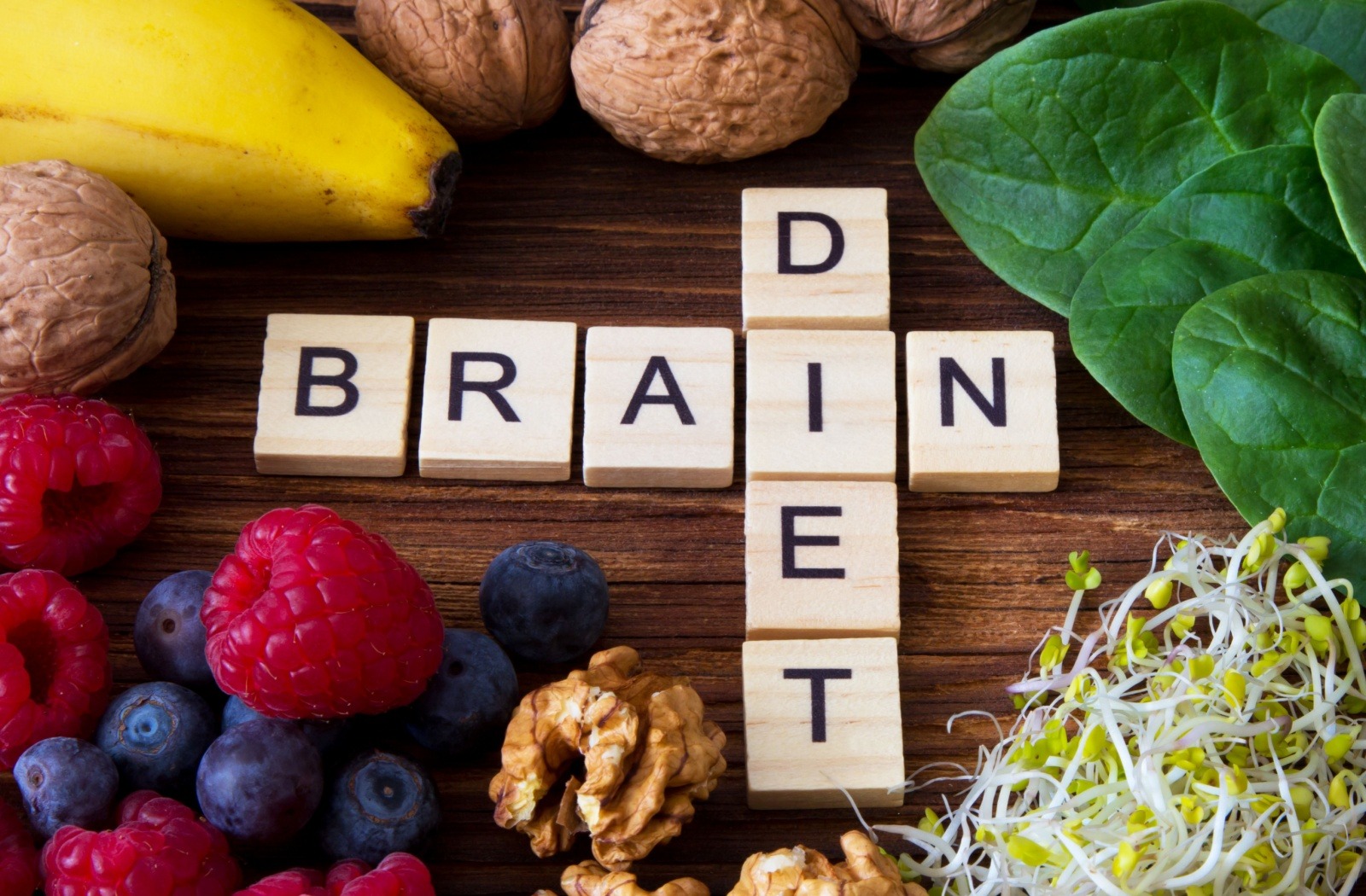
- Omega-3 rich foods like salmon and walnuts support brain cell health
- Colorful berries and vegetables provide antioxidants that protect against brain inflammation
- Whole grains and healthy fats deliver steady energy your brain needs
- Senior living communities can support consistent brain-healthy eating habits
How Your Food Choices Support Brain Health as You Age
Your brain uses about 20% of your daily calories, making nutrition one of the most powerful tools you have for maintaining cognitive function. The foods you eat provide the building blocks your brain cells need to communicate effectively and protect themselves from age-related changes.
The right nutrients can help support memory, focus, and overall brain health throughout your later years. Simple changes to your daily meals—like adding more colorful vegetables or choosing fish over red meat twice a week—can make a meaningful difference in how sharp you feel. At The Grande at South Portland, professional culinary services are designed to support this type of approach to nutrition for every lifestyle—assisted living, memory care, and respite care.
Omega-3 Rich Foods That Support Memory and Focus
Omega-3 fatty acids help maintain the structure of brain cell membranes, which affects how well your neurons communicate with each other. Fish like salmon, mackerel, and sardines contain high levels of these helpful fats that your body can’t produce on its own.
If you prefer plant-based options, walnuts provide a convenient source of omega-3s you can add to yogurt, oatmeal, or salads. Ground flaxseeds blend easily into smoothies or can be sprinkled over cereal. Chia seeds offer another versatile option that absorbs liquid to create pudding-like textures.
You can incorporate these foods by planning 2 fish meals per week, keeping a small container of mixed nuts handy for snacking, or adding a tablespoon of ground flaxseed to your morning routine. Reading while enjoying brain-healthy meals can provide additional cognitive support.
Antioxidant-Packed Berries and Colorful Vegetables
Blueberries contain compounds called anthocyanins that can help protect brain cells from inflammation and oxidative stress. Fresh or frozen berries work equally well—frozen options are often more affordable and last longer in your freezer.
Dark leafy greens like spinach, kale, and Swiss chard provide folate, vitamin K, and other nutrients that support cognitive function. These vegetables are easy to add to soups, omelets, or smoothies where their mild flavor won’t overpower other ingredients.
Colorful vegetables like bell peppers, beets, and purple cabbage contain different antioxidants that work together to support brain health. The more varied colors on your plate, the wider range of protective compounds you’re getting.
Whole Grains and Healthy Fats for Steady Brain Energy

Your brain runs on glucose, but it performs more consistently when that fuel comes from complex carbohydrates rather than simple sugars. Oats, quinoa, brown rice, and whole grain bread release energy gradually throughout the day, helping you avoid the mental fog that can follow blood sugar spikes and crashes.
Avocados provide monounsaturated fats that support healthy blood flow to the brain. You can mash them onto toast, add slices to sandwiches, or blend them into creamy dressings. Olive oil offers similar support and works well for light cooking or salad dressings.
Simple swaps make these changes manageable: choose oatmeal instead of sugary cereal, replace white rice with quinoa, or use olive oil instead of butter when sautéing vegetables.
Practical Tips for Adding Brain-Healthy Foods to Your Routine
Start your day with oatmeal topped with berries and chopped walnuts for a combination that includes whole grains, antioxidants, and omega-3s. For lunch, try a salad with mixed greens, avocado slices, and grilled salmon.
Senior living communities often provide professional culinary services that can help you access these brain-healthy options without the planning and preparation. Many communities work with nutritionists to design menus that support cognitive health while still providing meals you’ll enjoy.
If you’re cooking for yourself, batch preparation can help. Wash and chop vegetables when you bring them home, cook grains in larger quantities to use throughout the week, or keep pre-portioned bags of mixed nuts ready for snacking.
Creating a Supportive Environment for Healthy Eating
Professional culinary services take the guesswork out of meal planning and preparation, making it easier to maintain consistent nutrition habits. When someone else handles grocery shopping, meal preparation, and kitchen cleanup, you can focus on enjoying nutritious foods rather than managing the work involved.
Community dining environments can also support healthy eating by providing social connections during meals and exposure to new foods you might not prepare at home. Sharing meals with others often leads to more varied and nutritious eating patterns.
A maintenance-free lifestyle removes many of the daily tasks that can interfere with good nutrition—like dealing with kitchen repairs, managing grocery trips, or handling food storage. At The Grande at South Portland, professional culinary services and resort-style dining experiences can help you maintain the consistent, brain-healthy nutrition your cognitive function deserves.
Contact us to learn more and schedule a tour today. We would love to answer your questions in person.