
Key Takeaways
- Assisted living focuses on supporting your independence while providing daily living assistance.
- You enjoy greater personal freedom and privacy in assisted living than in skilled care settings.
- Assisted living communities offer apartment-style living with hospitality services and wellness programs.
- The level of medical care differs significantly between assisted living and nursing home environments.
The True Nature of Assisted Living
Many people confuse assisted living with nursing homes, but these two types of senior living serve different purposes and offer vastly different experiences. This confusion can create unnecessary anxiety when you’re exploring care options for yourself or a loved one. The Grande at South Portland helps families understand these important distinctions when making senior living decisions.
Assisted living provides personalized support services while preserving your independence and lifestyle preferences. Unlike medical care settings, assisted living communities focus on helping you maintain your daily routines with assistance where you need it most.
What Assisted Living Really Means
Assisted living offers a supportive living environment for adults who need help with some daily activities but don’t require intensive medical care. These communities provide assistance with tasks like bathing, dressing, medication reminders, and meal preparation while encouraging you to remain as independent as possible.
The services you’ll find in assisted living communities include personal care assistance, housekeeping, dining services, transportation, and wellness programs. Social activities and community events help you stay connected with others and pursue your interests. You have support available when you need it without giving up your autonomy.
Key Differences Between Assisted Living and Nursing Homes

Level of Care and Medical Support
Assisted living provides help with activities of daily living like bathing, dressing, and medication management. The staff includes trained professionals who can assist with personal care needs, but the focus remains on maintaining your independence rather than providing intensive medical treatment.
Nursing homes offer skilled medical care for individuals who require 24-hour supervision from licensed medical professionals. This type of care becomes appropriate when you need ongoing medical attention, rehabilitation services, or assistance with complex health conditions.
Independence and Personal Freedom
In assisted living, you maintain control over your daily schedule and personal choices. You can wake up when you want, choose your meals, decide which activities to join, and come and go as you please. Your apartment or suite becomes your private home within a supportive community.
The environment respects your privacy and personal space while providing help when you need it. You can decorate your living space with your own furniture and belongings, creating a comfortable and familiar environment.
Living Environment and Atmosphere
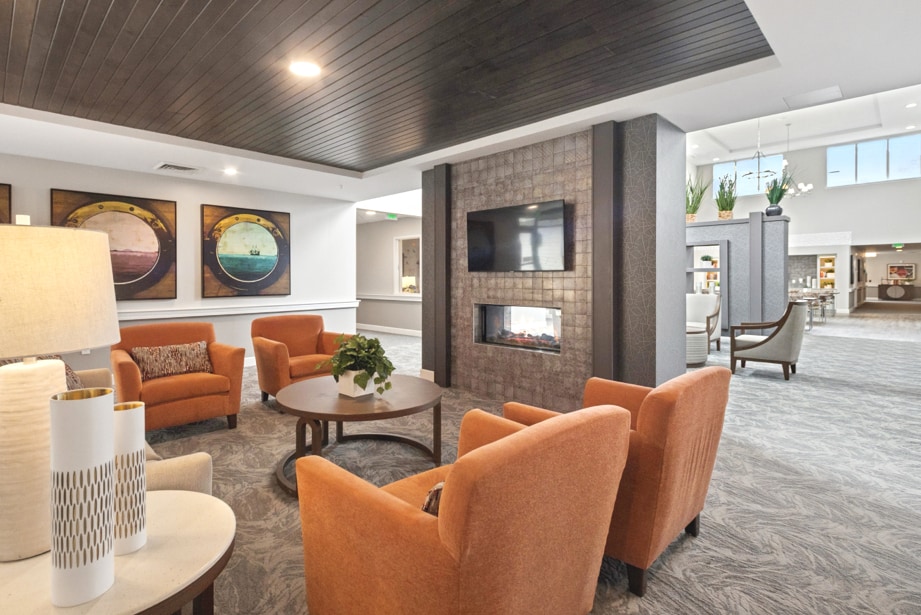
Assisted living communities feature apartment-style accommodations with private bathrooms, kitchenettes, and living areas. Common spaces include dining rooms, libraries, fitness centers, and outdoor gardens where you can socialize or relax.
The atmosphere focuses on hospitality and community rather than medical care. You’ll find welcoming spaces designed for comfort and social connection, with amenities that support an active and engaged lifestyle.
Cost and Payment Structure
Assisted living typically costs less than nursing homes because the level of medical care provided is lower. Residents often pay a monthly fee that covers housing, meals, personal care, and some activities, with additional services available for an extra cost.
Nursing homes are generally more expensive due to 24-hour skilled nursing and specialized medical services. Costs are often covered partially by insurance, Medicare, or Medicaid, depending on eligibility.
Social and Recreational Opportunities
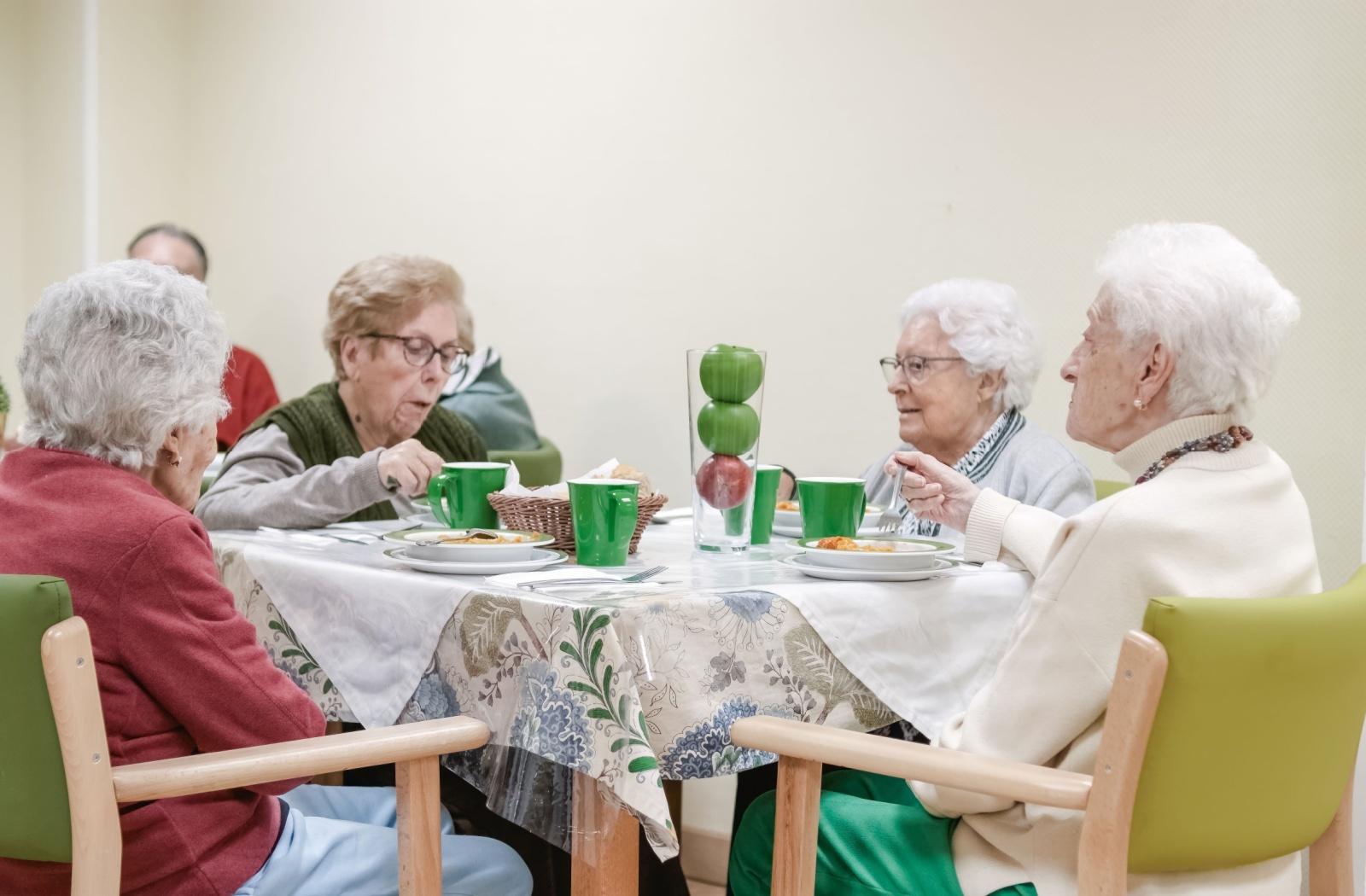
Assisted living communities prioritize social engagement and enrichment. Residents have access to organized activities, group outings, fitness programs, and hobby clubs to promote an active, connected lifestyle.
Nursing homes may offer social and recreational programs, but the schedule and offerings are often centered around medical routines and therapy sessions. Residents may have less autonomy in choosing activities compared to assisted living.
Moving Forward with Your Senior Living Decision
When you’re ready to explore assisted living, plan to visit communities in person whenever possible. Walking through the living spaces gives you a true sense of the environment, lets you see the layout and amenities, and helps you envision daily life there. Take time to meet the staff, ask questions about their experience, and observe how they interact with residents.
During your visit, inquire about the specific services offered, including personal care, medication management, and wellness programs. Ask how the community supports residents’ independence, encourages social engagement, and handles any special needs. Seeing the community firsthand gives you valuable insight into the atmosphere, culture, and level of care, helping you make a confident, informed decision.
The Grande at South Portland offers assisted living services that support your independence while providing the care and hospitality you deserve. Contact the team to learn more about how assisted living can provide the right balance of support and freedom for your lifestyle.