Key Takeaways
- About 1 in 4 adults over 65 has a fall each year, often in bedrooms and bathrooms.
- Muscle weakness, vision changes, and home hazards like loose rugs can raise fall risk.
- Assisted living offers thoughtful design, grab bars, good lighting, and regular check-ins.
- Residents can stay active and wear supportive shoes to help lower their risk.
- Families can share health history and keep personal spaces clutter-free.
How Assisted Living Can Lower the Risk of Falls
You may have noticed a loved one moving more slowly, gripping the counter for balance, or avoiding the stairs. These small changes can weigh heavily on your mind, especially when a fall feels like it could happen at any moment. Safety at home becomes a daily worry for many families.
At The Grande at South Portland, assisted living can help prevent falls by combining a thoughtfully designed living space with regular support, so residents move through their day with more freedom and less worry.
Why Falls Matter So Much for Older Adults
Falls are one of the most common concerns for people as they age. Roughly 1 in 4 adults over 65 has a fall each year. A single stumble can lead to bruises, a sprain, or a longer recovery that changes daily routines.
Most falls happen in familiar places. Bedrooms and bathrooms are common spots because of slick floors and tight spaces. The worry doesn’t stop there either.
After one fall, many people start avoiding activities they once enjoyed. That fear can lead to less walking, weaker muscles, and even more risk over time. Breaking this cycle starts with the right support and setting.
What Raises the Risk of a Fall
Falls rarely come from one single cause. Instead, several factors tend to build up together. Knowing what they are can help you spot warning signs early.
Physical and Health Factors
Your body changes over the years, and some of those changes affect balance and steadiness. A few common ones include the following.
- Muscle weakness and shifts in balance
- Vision changes that make steps and edges harder to see
- Certain medications that cause dizziness or drowsiness
- Chronic conditions like arthritis or diabetes that affect movement
These factors don’t mean a fall is certain. They simply point to areas where a little extra support can make a real difference.
Home and Environment Factors
The space around you plays a big role too. Many homes have hidden hazards that go unnoticed for years. Watch for these common ones.
- Clutter in walkways and loose throw rugs
- Poor lighting in hallways and stairwells
- Slippery floors, especially near sinks and tubs
- Missing railings or grab bars for support
A house that once felt easy to navigate can slowly become harder to manage. Small fixes help, but a setting built with safety in mind offers steadier footing.
How Assisted Living Supports Fall Prevention
Assisted living takes a practical approach to safety without taking away the freedom residents value. The goal is to remove hazards while keeping daily life active and comfortable.
It often starts before move-in day. The team reviews each person’s health history, mobility, and personal habits to understand their specific risks. This helps shape the kind of support that fits each resident.
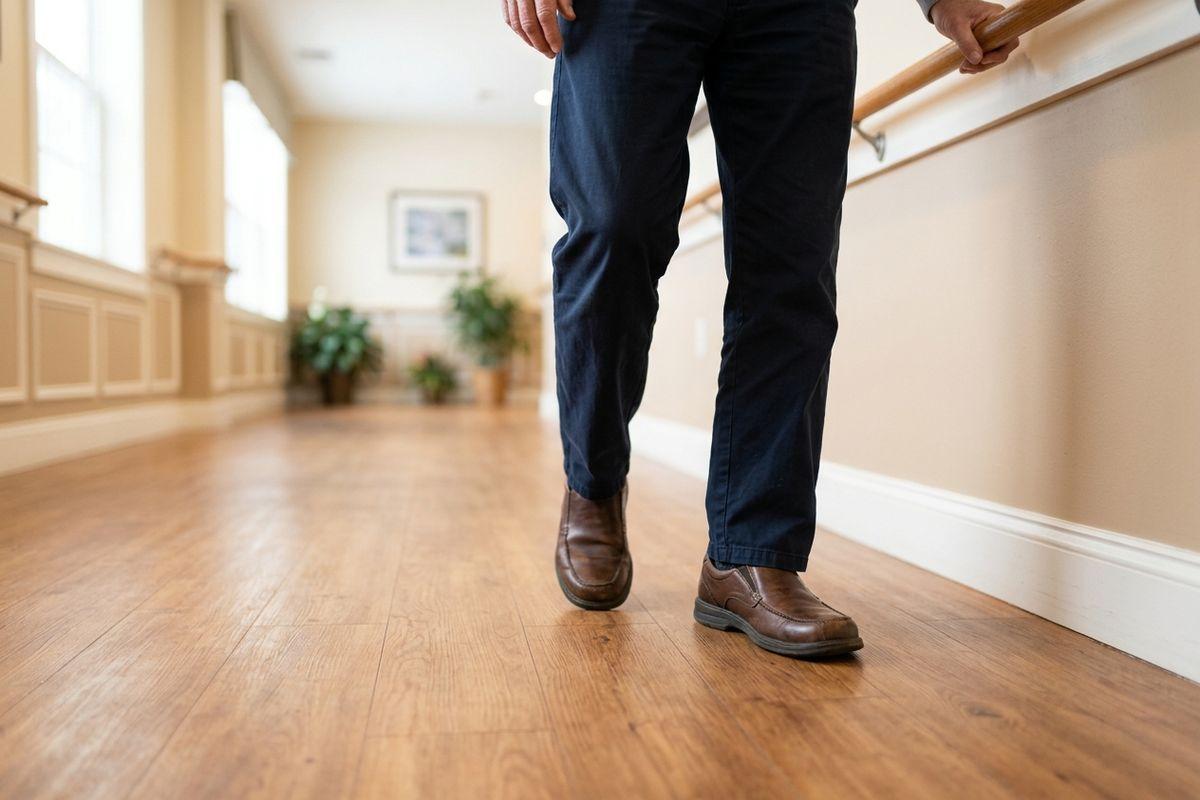
The living spaces themselves are designed with steady movement in mind. You’ll find features woven throughout the community.
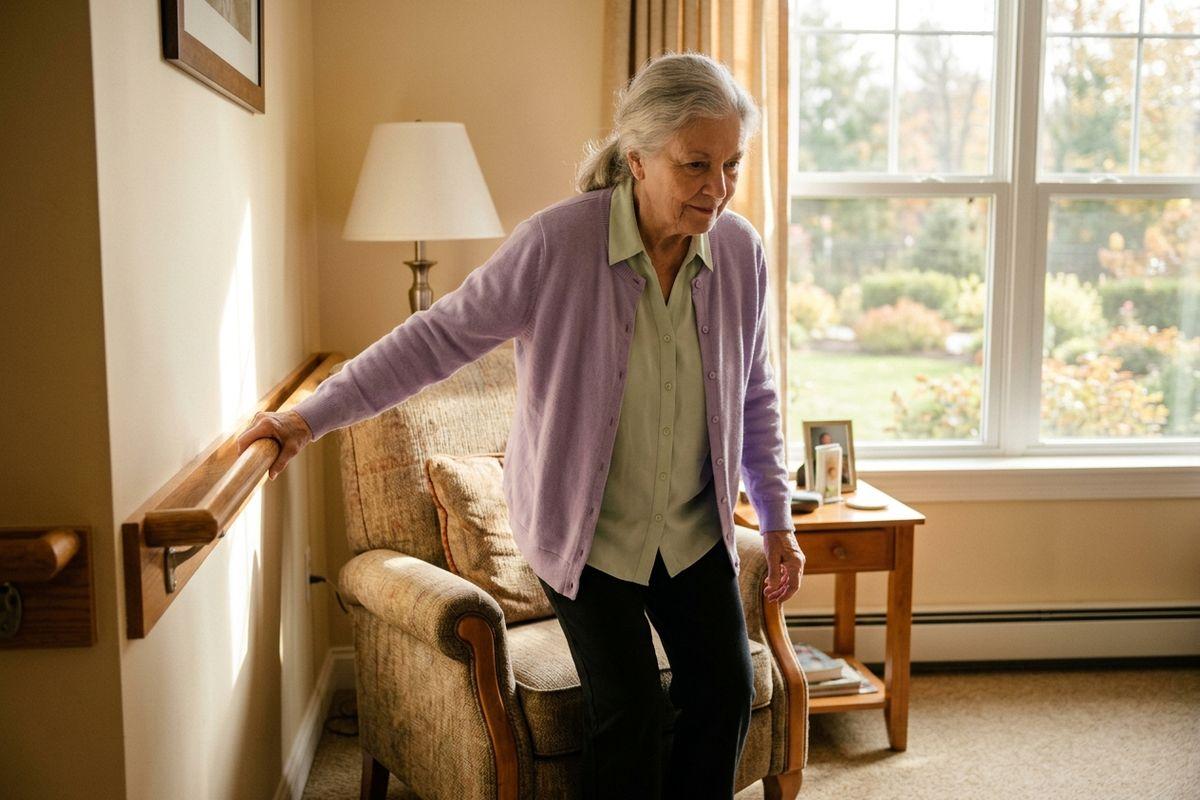
- Grab bars in bathrooms and near seating areas
- Handrails along hallways for added support
- Bright, even lighting that makes edges and steps clear
- Slip-resistant flooring in kitchens and bathrooms
Regular check-ins add another layer of reassurance. If a resident needs help getting up or feels unsteady, someone is nearby to respond quickly. That kind of support brings peace of mind to residents and families alike.
Ways Residents and Families Can Help
Preventing falls works best as a shared effort. Both residents and their loved ones play a part in keeping daily life steady and active.
Steps Residents Can Take
Staying involved in your own safety can make a noticeable difference. A few simple habits go a long way.
- Stay active through walks and gentle exercise to build strength
- Wear well-fitting, slip-resistant shoes instead of loose slippers
- Use a walker or cane correctly when you need it
- Take your time when standing up or turning
These small choices help you keep the independence you value while lowering your risk.
Steps Families Can Take
Your support matters more than you might think. You can help the care team understand your loved one and keep their space safe. Here’s how.
- Share any fall history and health details with the team
- Bring personal items that are safe and clutter-free
- Talk openly about safety without dismissing independence
Honest conversations show respect for the life your loved one has built while offering the reassurance they deserve.
Balance Safety and Independence at The Grande at South Portland
At The Grande at South Portland, assisted living is about support that respects each resident’s choices. Safety features work quietly in the background so residents can focus on the activities and connections that matter to them.
Active programs help residents build strength and steadiness, while open communication keeps families informed and involved. If you’d like to learn how The Grande at South Portland can support your loved one, reach out to the team today to start the conversation.