


Key Takeaways
- Omega-3 fatty acids support heart health, brain function, and joint comfort as people age.
- The body cannot produce omega-3s naturally, so they must come from food or supplements.
- EPA and DHA are commonly found in fish, while ALA comes from plant-based foods like walnuts and flaxseeds.
- Salmon, sardines, tuna, trout, chia seeds, and omega-3 enriched eggs are all common dietary sources.
- Small meal adjustments, such as adding nuts or eating more fish, can help increase omega-3 intake over time.
How Omega-3s Support Healthy Aging
Good nutrition plays an important role in healthy aging. The foods older adults eat each day can affect energy levels, mobility, heart health, and overall well-being over time. While no single food can prevent aging, balanced eating habits can help support long-term wellness and comfort.
Omega-3 fatty acids are one nutrient many families hear about when discussing healthy aging. These healthy fats support several important functions throughout the body, including the heart, brain, and joints. Adding more omega-3-rich foods to daily meals can be a practical way to support overall health while maintaining an active lifestyle.
What Are Omega-3 Fatty Acids?
Omega-3 fatty acids are healthy fats the body needs to function properly. Because the body cannot make them on its own, they must come from food or supplements.
There are 3 main types of omega-3s: EPA, DHA, and ALA. EPA and DHA are commonly found in fish and seafood, while ALA comes from plant-based foods like walnuts and flaxseeds. Each type supports the body in different ways, which is why a varied diet is important.
How Omega-3s Support Healthy Aging
Omega-3s contribute to several important functions throughout the body. While they are not a replacement for medical care or healthy lifestyle habits, they can support overall wellness as part of a balanced diet.
Heart Health
Heart health becomes increasingly important with age. Omega-3s may help support healthy circulation and normal blood pressure levels while contributing to overall cardiovascular wellness. Fatty fish like salmon, sardines, and mackerel are some of the best dietary sources of heart-healthy omega-3s.
Brain and Cognitive Wellness
The brain contains high levels of omega-3 fatty acids, particularly DHA. These nutrients help support communication between brain cells and contribute to normal cognitive function. Some older adults prioritize omega-3-rich foods as part of a broader focus on mental sharpness, memory, and daily cognitive wellness.
Joint Comfort and Mobility
Joint stiffness and discomfort can affect daily activities as people age. Omega-3s are often associated with supporting joint comfort because of their role in managing inflammation throughout the body. Healthy eating habits, along with regular movement and low-impact exercise, can help older adults stay active and maintain mobility more comfortably.
Foods Naturally Rich in Omega-3s
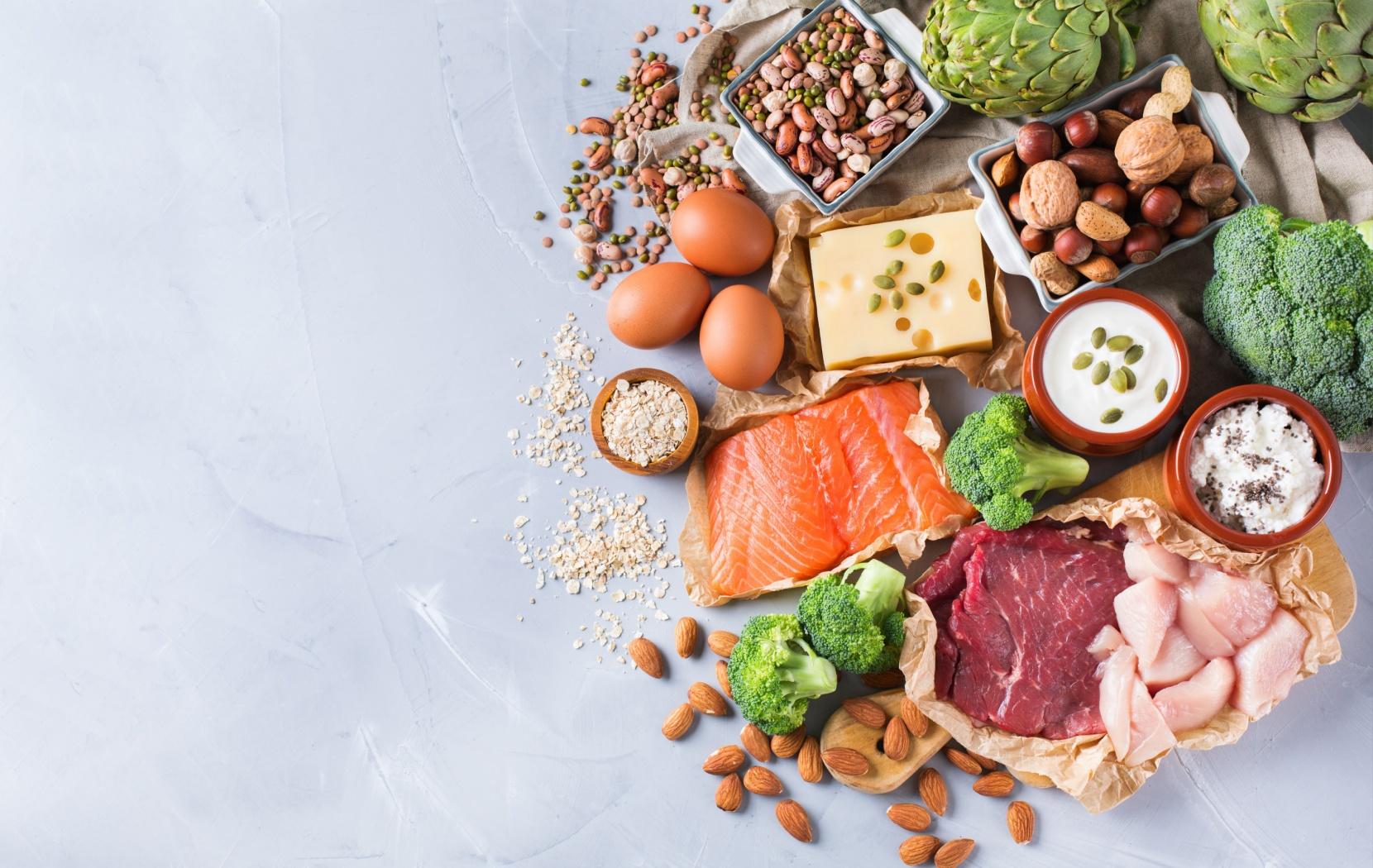
Many everyday foods contain omega-3 fatty acids, making it easier to support healthy eating habits without dramatically changing your routine. Including a mix of seafood, nuts, seeds, and fortified foods throughout the week can help older adults maintain a more balanced diet.
Some of the most common foods rich in omega-3s include:
- Salmon
- Sardines
- Tuna
- Trout
- Walnuts
- Flaxseeds
- Chia seeds
- Omega-3 enriched eggs
These foods can be added to meals and snacks in simple, practical ways. Small dietary changes often feel more manageable over time and can help support long-term wellness goals.
Easy Ways to Add More Omega-3s to Your Routine
Adding more omega-3s to daily meals does not have to feel complicated. Small adjustments can make a meaningful difference over time.
Start with Small Meal Changes
Simple substitutions can help increase omega-3 intake naturally. Try adding walnuts or chia seeds to oatmeal, yogurt, or salads, or swap one or two weekly meals for salmon or tuna. Smaller changes are often easier to maintain than completely overhauling a diet.
Look for Convenient Everyday Options
Fortified foods can help older adults add more omega-3s to their routine without changing familiar meals too much. Omega-3 enriched eggs, certain cereals, and some dairy products can provide additional nutritional support while fitting into regular eating habits.
Talk with a Healthcare Provider About Supplements
Some older adults may not enjoy seafood or may have dietary restrictions that make it harder to get enough omega-3s through food alone. In those cases, supplements may be worth discussing with a healthcare provider. A doctor or nutrition professional can help determine what option best fits someone’s health needs and lifestyle.
The Connection Between Nutrition and Healthy Aging
Healthy aging is often shaped by everyday habits. Nutrition, physical activity, social connection, and routine wellness support all work together to help older adults maintain their quality of life. For many families, building healthier eating habits starts with practical, everyday changes that suit their loved one’s life. And here at The Grande at South Portland, we’re here to help.
In our community, residents enjoy chef-prepared meals designed to support wellness, balance, and everyday enjoyment. Here, every day is about helping residents feel their best, and that’s what your loved one deserves. Schedule a visit with us today to learn more about our approach to dining, wellness, and senior living.