Key Takeaways
- Shared meals create natural opportunities for connection and conversation in senior living communities.
- Restaurant-style dining with professional culinary services offers variety and accommodates different dietary needs.
- Regular mealtimes help build routine relationships with neighbors and create familiar social interactions.
- Community dining eliminates meal planning and preparation while providing nutritious options.
- Special dining events and flexible options support both social connection and personal preferences.
How Shared Meals Create Natural Connections in Senior Communities
You’ve probably noticed how conversations flow more easily when you’re sharing a meal with someone. There’s something about breaking bread together that makes people feel more comfortable and connected. In senior living communities, this natural human tendency becomes the foundation for building meaningful relationships with your neighbors.
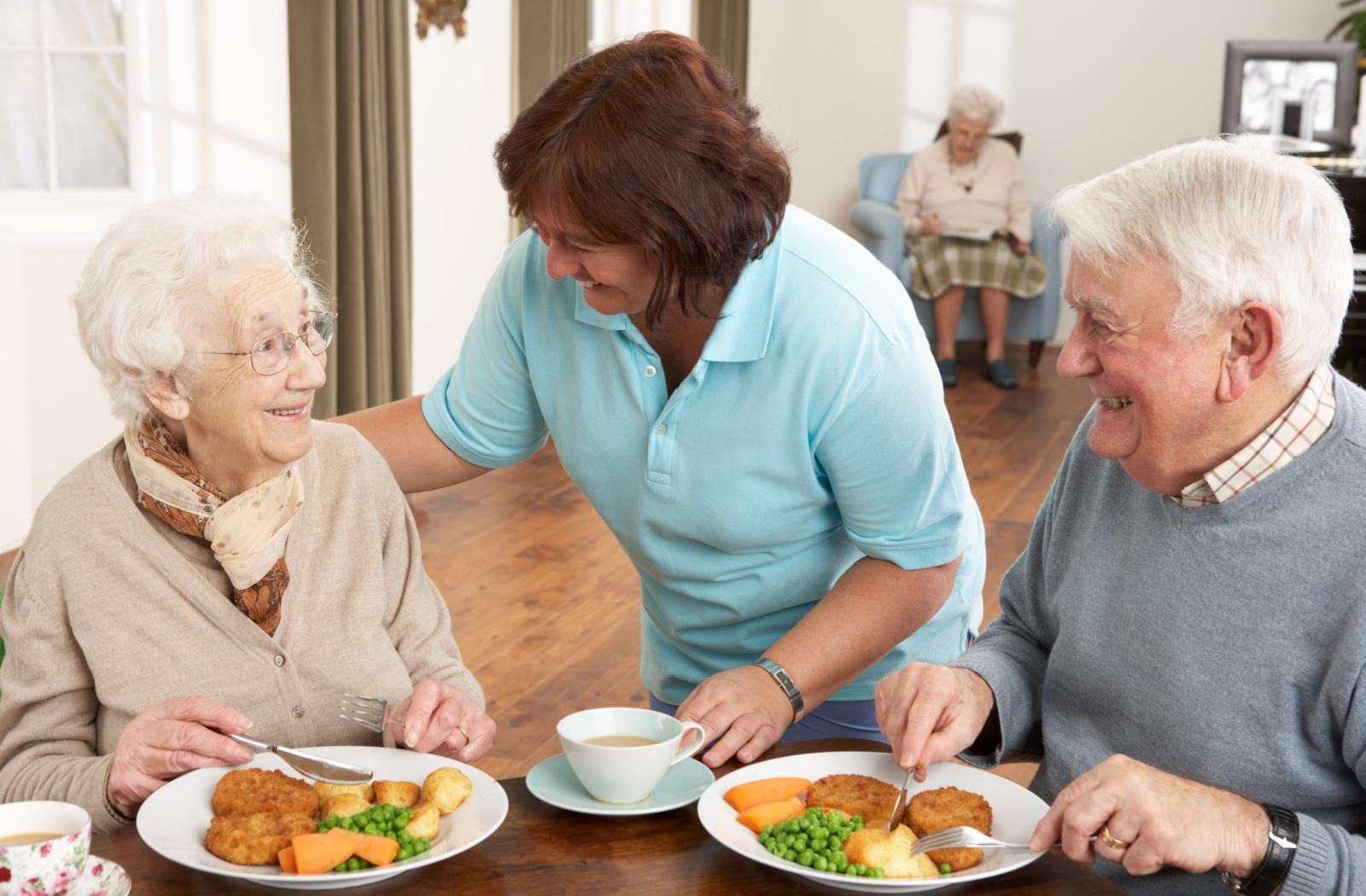
Dining together transforms mealtime from a solitary necessity into a social experience that helps you form lasting friendships and feel part of a welcoming community. When you sit down at a shared table, you’re not just enjoying your meal—you’re participating in one of the most fundamental ways humans connect with each other. The Grande at South Portland understands this connection between shared meals and community building. That’s why their dining experiences focus on bringing residents together around expertly prepared meals.
What Makes Restaurant-Style Dining Special in Senior Communities
Professional culinary services bring restaurant-quality meals to your daily routine without any of the work. You can choose from varied menu options that change regularly, giving you something new to look forward to and discuss with your dining companions. Proper nutrition for older adults becomes effortless when professional chefs handle menu planning and preparation. The atmosphere of a welcoming dining room creates the perfect setting for relaxed conversations.
Flexible dining times support your personal preferences while still providing opportunities to connect with others. You can maintain your usual eating schedule while discovering neighbors who share similar routines. This balance between structure and flexibility helps you feel at home while opening doors to new friendships.
Menu Variety That Brings People Together
Different menu options accommodate various dietary needs, so everyone can participate in shared dining experiences regardless of their nutritional requirements. Special theme nights and seasonal menus give you and your neighbors something to anticipate and discuss together.
Food choices naturally spark conversations—you might find yourself talking about a delicious dish you tried or sharing memories about similar meals from your past. These spontaneous discussions over menu selections often lead to deeper connections with the people sitting around you.
How Mealtimes Create Daily Opportunities for Social Connection
Regular dining schedules help build routine relationships with the same group of neighbors. You’ll start recognizing familiar faces and gradually develop comfortable friendships through these daily interactions. The predictable nature of mealtimes gives you something to look forward to each day. Staying socially connected becomes natural when shared meals provide regular opportunities for meaningful interaction.
Shared tables provide natural opportunities to meet new people in a low-pressure environment. You don’t have to plan social activities or worry about what to talk about—conversation happens organically around the shared experience of enjoying a meal together. Community events and activities often extend these dining relationships into other areas of daily life.
Creating Friendships One Meal at a Time
When you discover shared dining preferences with your neighbors, you create common ground that can develop into lasting friendships. Group dining options work well if you prefer company during meals, while private dining spaces accommodate family gatherings when loved ones visit.
These dining relationships often extend beyond mealtimes as you get to know people around you. You might find yourself spending time together in other community areas or participating in activities with the friends you met over dinner.
The Practical Benefits of Community Dining for Your Daily Life
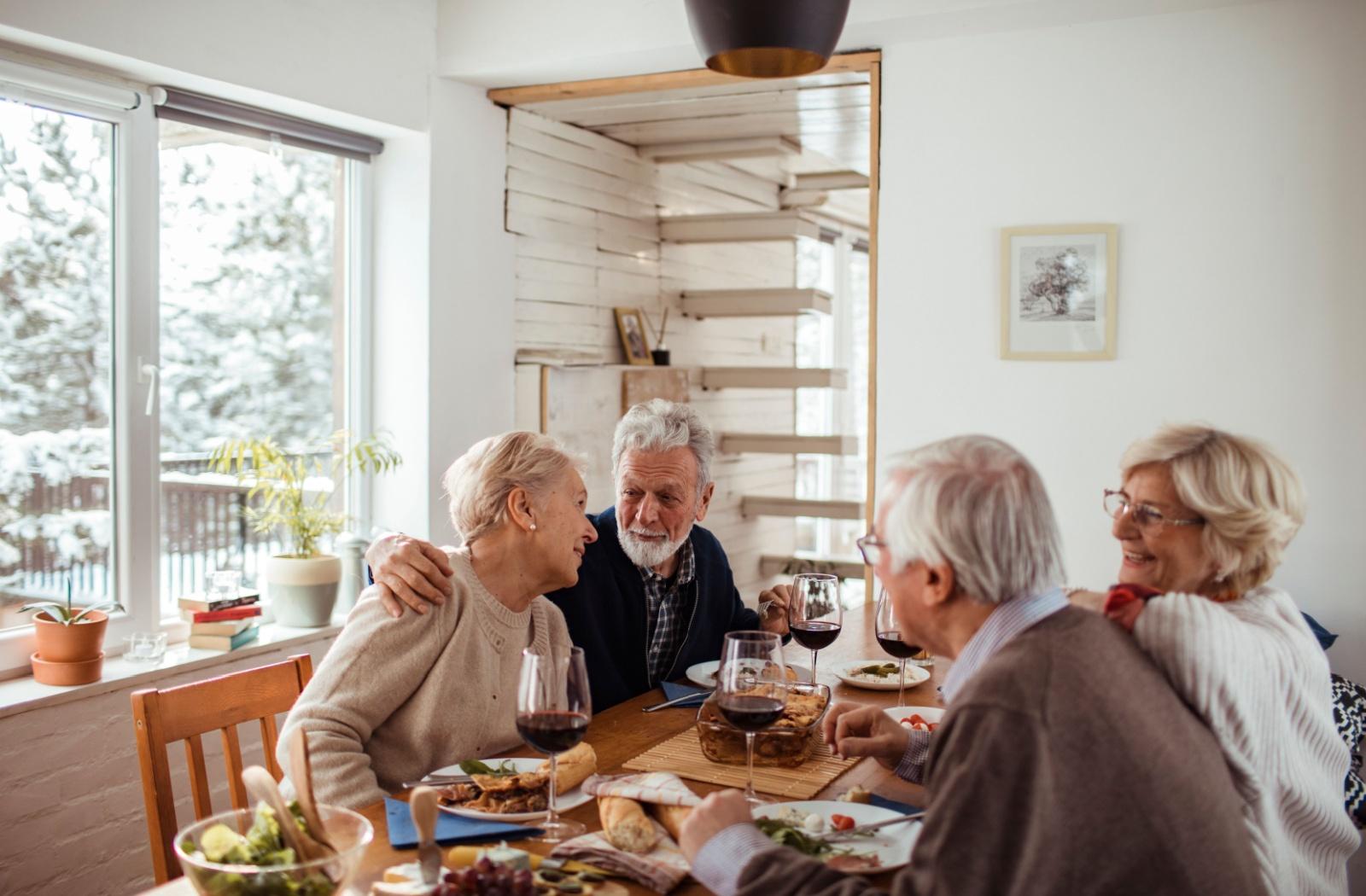
Community dining eliminates the need for meal planning, grocery shopping, and food preparation. Professional kitchen staff handle everything from menu planning to cleanup, freeing up your time and energy for activities you truly enjoy. You receive nutritious, well-balanced meals without any of the daily work involved in cooking. Social interactions during meals contribute significantly to overall happiness and well-being.
This practical support extends beyond convenience—it removes the stress many people feel about maintaining proper nutrition as they age. You can focus on enjoying your meals and the company of your neighbors rather than worrying about shopping, cooking, and cleaning.
Dining Options That Support Your Independence
Flexible meal times work with your personal schedule rather than forcing you to adapt to rigid dining hours. When you prefer privacy or aren’t feeling social, room service options allow you to enjoy quality meals in your own space.
For those in assisted living and memory care, dining staff provide special accommodations and gentle support that help you maintain independence while ensuring proper nutrition. These services adapt to your changing needs while preserving your dignity and choice.
Experience Community Dining at The Grande at South Portland
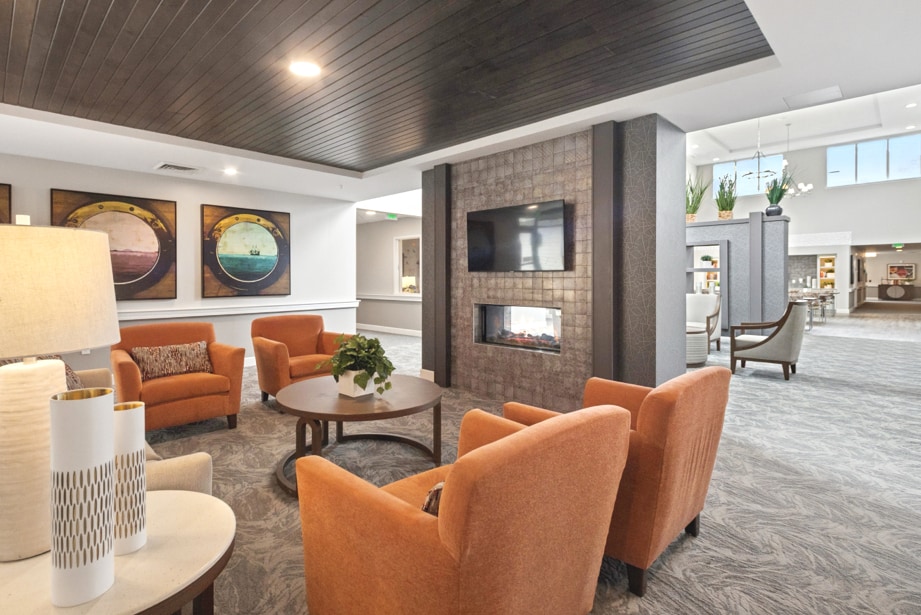
At The Grande at South Portland, resort-style dining experiences bring people together around expertly prepared meals in a welcoming atmosphere. The community’s approach to dining creates natural opportunities for connection while supporting your individual preferences and needs.
When you visit The Grande at South Portland, you can experience firsthand how community dining brings neighbors together. Schedule a tour to see the dining areas and learn more about how shared meals help create the sense of community that makes this place feel like home.